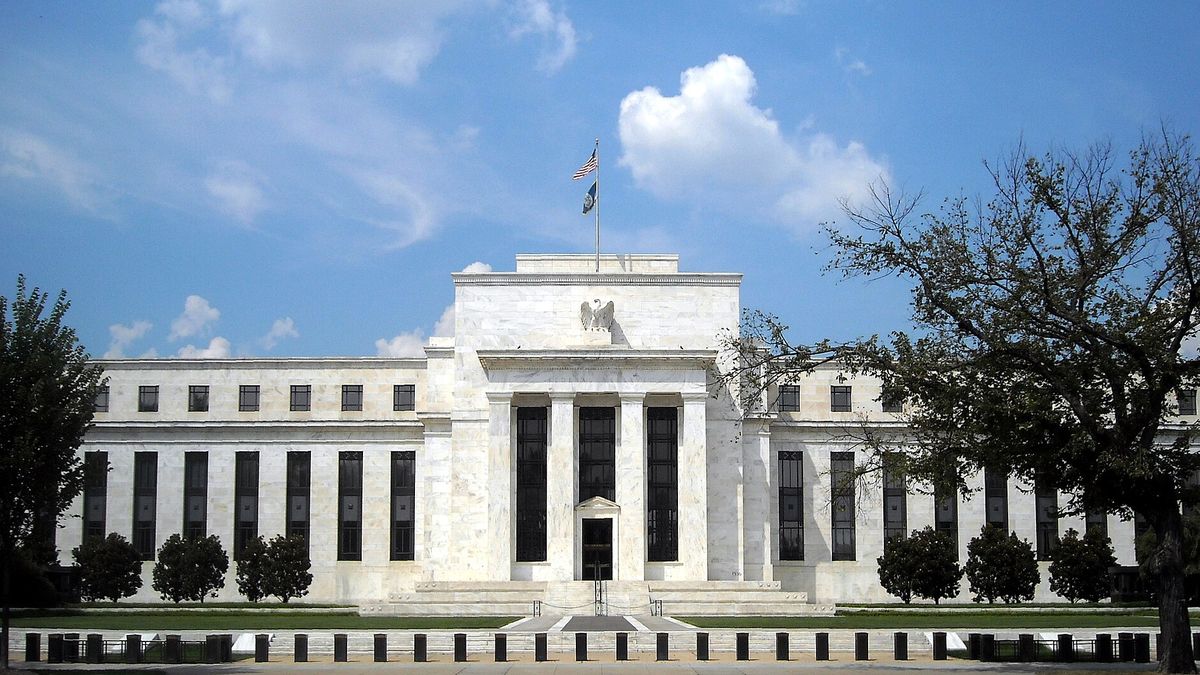
Fed Expected to Hold at 3.75% to 4% as Hot Inflation Keeps December Hike in Play
Six weeks after its first increase since 2023, the Warsh-led Fed weighs a pause against September's jump in consumer prices.
Six weeks after its first increase since 2023, the Warsh-led Fed weighs a pause against September's jump in consumer prices.
Lisa Cook and Beth Hammack wanted a hike, markets still see one in December, and in 2027 the Fed will set rates at only seven of its eight meetings.
China's central bank now steers money markets with daily one-day loans priced 15 basis points below the old seven-day benchmark, a step analysts call a de facto cut.
From Jakarta to Tokyo, policymakers have raised rates or tightened currency settings this year. China is the main exception.
The Cleveland Fed chief, a dissenter at last week's hold, wants policy to turn restrictive in smaller, more frequent steps. Richmond's Barkin struck a similar note.
A 50-basis-point increase, the second of 2026, aims to stop energy and food costs from seeping into core prices as reserves reach $21.5 billion.
The Copom voted unanimously to stop after five cuts since April, citing oil, a weaker real and inflation expectations that keep drifting from the 3% goal.
Sweden tightened for the first time in three years and signaled more to come, while Norway paused after September's increase and warned it could move again.
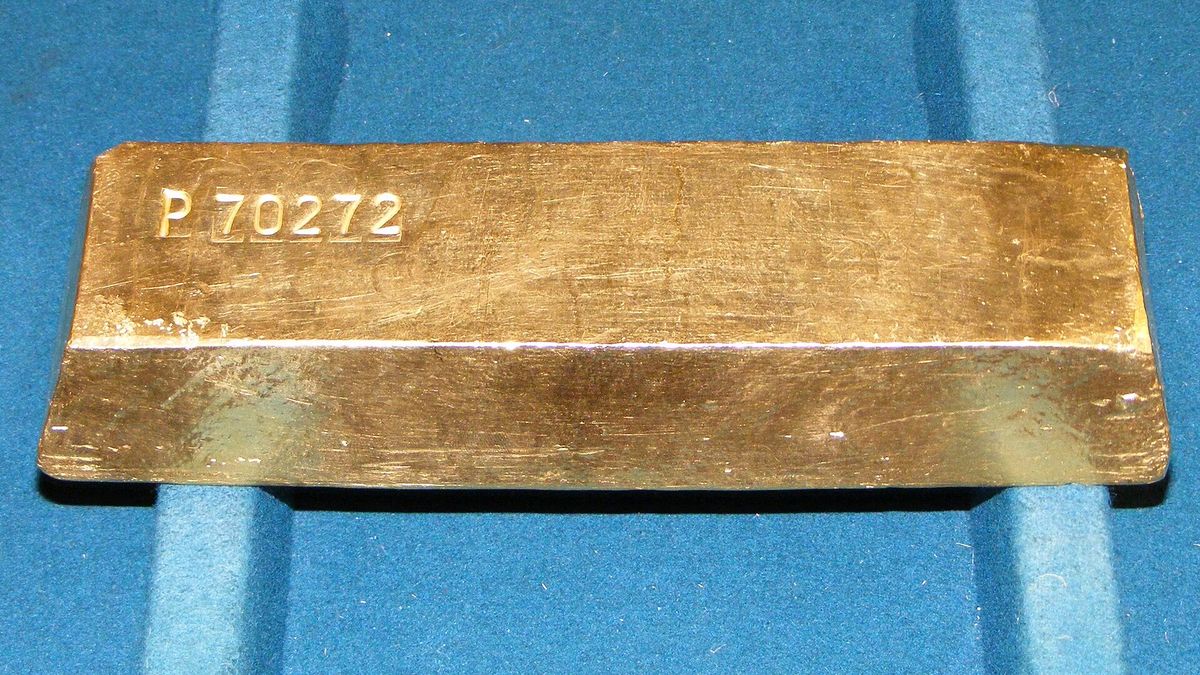
The People's Bank of China had its strongest quarter of gold purchases since 2023, while Central Asian banks kept adding and India held steady.
The Federal Reserve's October survey of senior loan officers found weaker demand for business, property and mortgage loans, a sign the September rate increase is reaching borrowers.
Records of the September meeting show members saying policy had entered a new phase, with one warning the bank may need to speed up if prices overshoot.
India's central bank sets up a seven-member advisory committee on bond, currency and money markets while banks shun its reverse repo auctions.