Treasury Yields Slip Back Below 5% as Fed Decision Looms After September Rout
The 10-year yield has fallen for three weeks after touching its highest since 2007, but oil and supply worries still hang over the market.
The 10-year yield has fallen for three weeks after touching its highest since 2007, but oil and supply worries still hang over the market.
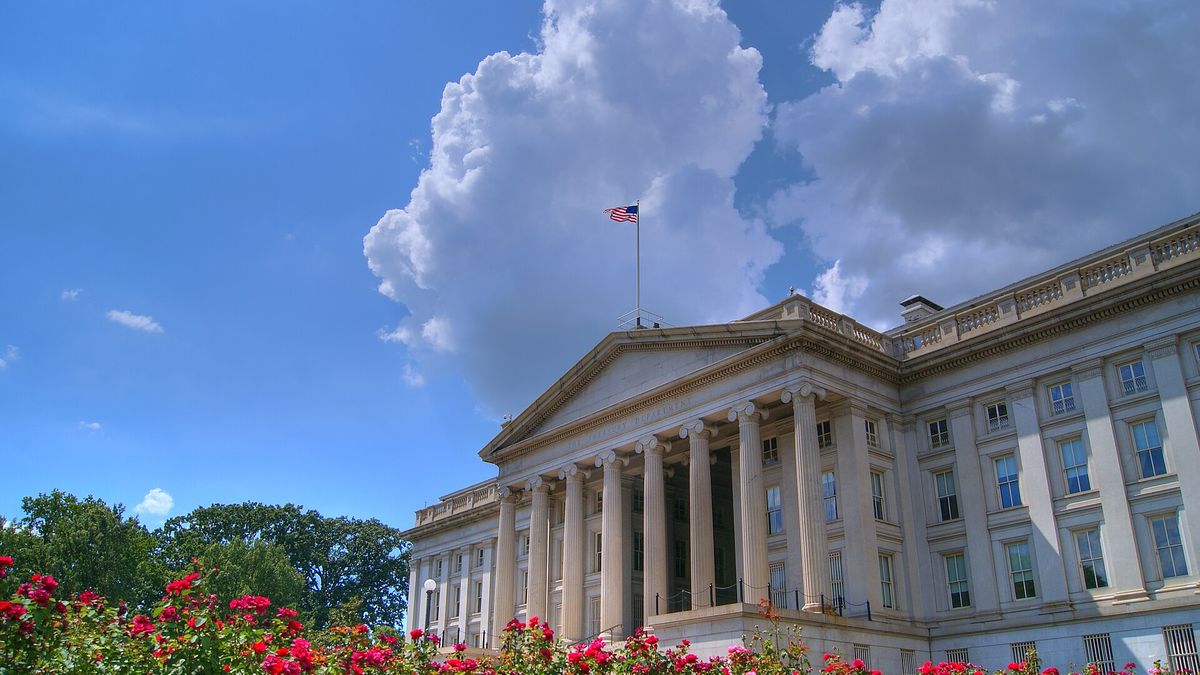
The department kept next week's sale at $125 billion but softened its pledge on auction sizes, and its advisers backed larger 2- to 10-year note sales.
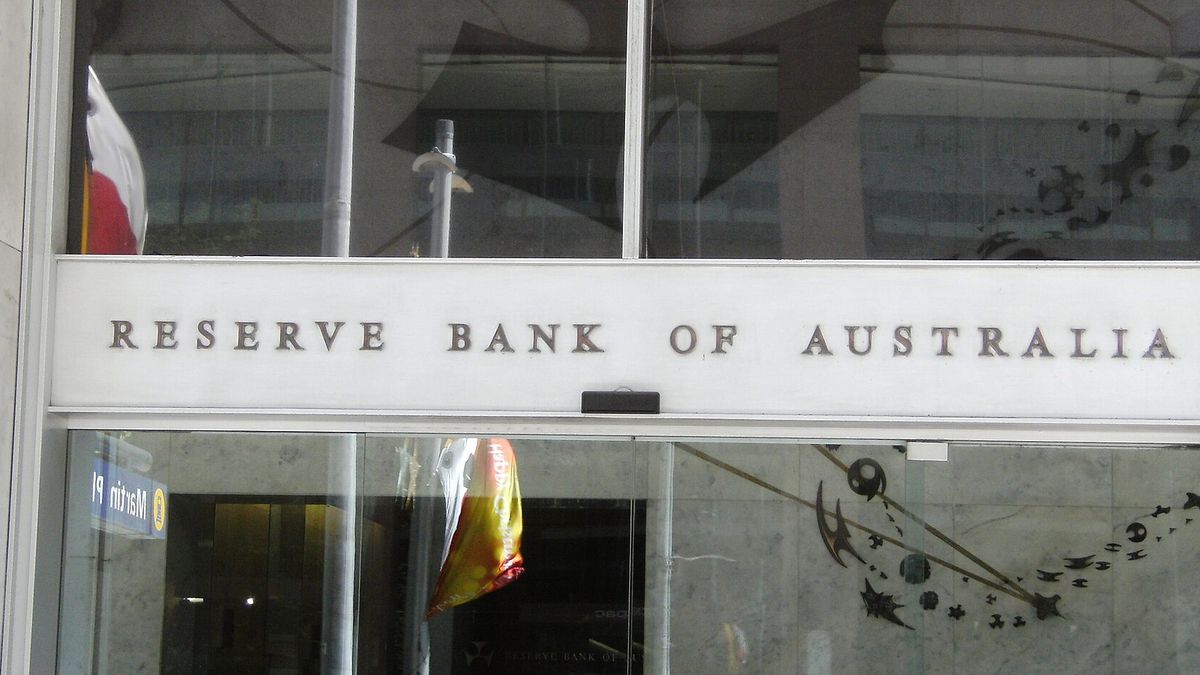
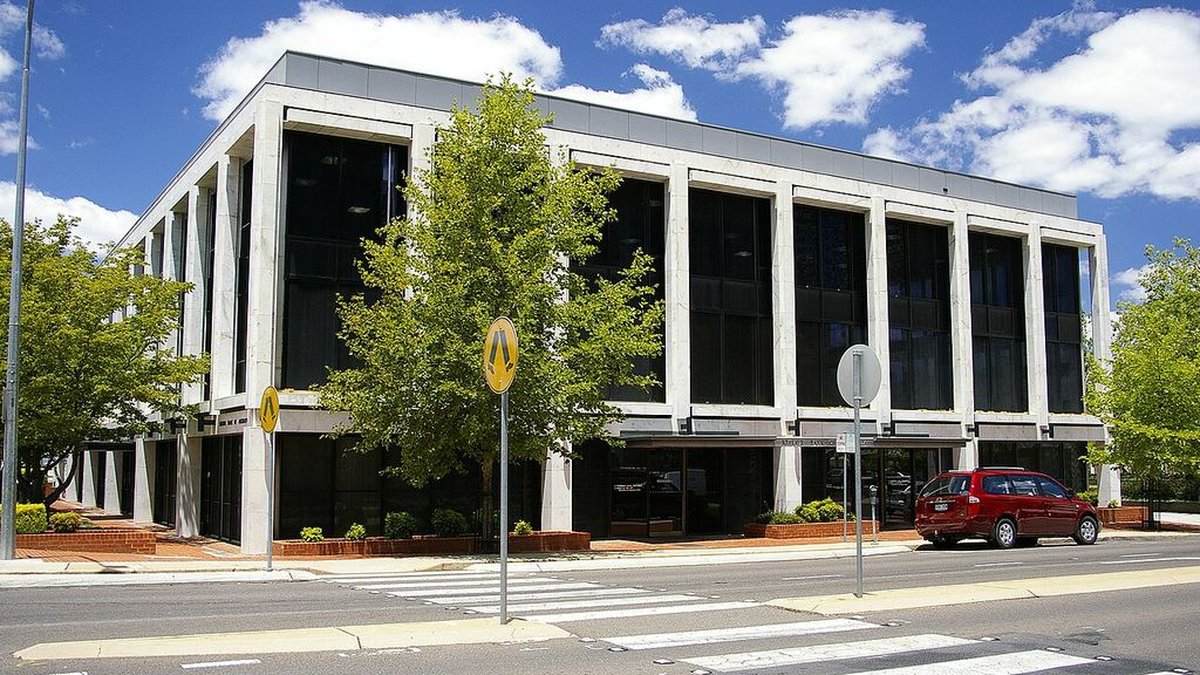
Hot September inflation lifted the odds of a fifth rate increase this year, but haven buying pushed long-dated Australian yields to an eight-week low.
Three of nine board members voted to hold and the bank dropped a line about further hikes, pulling the 3-year yield below the new cash rate.
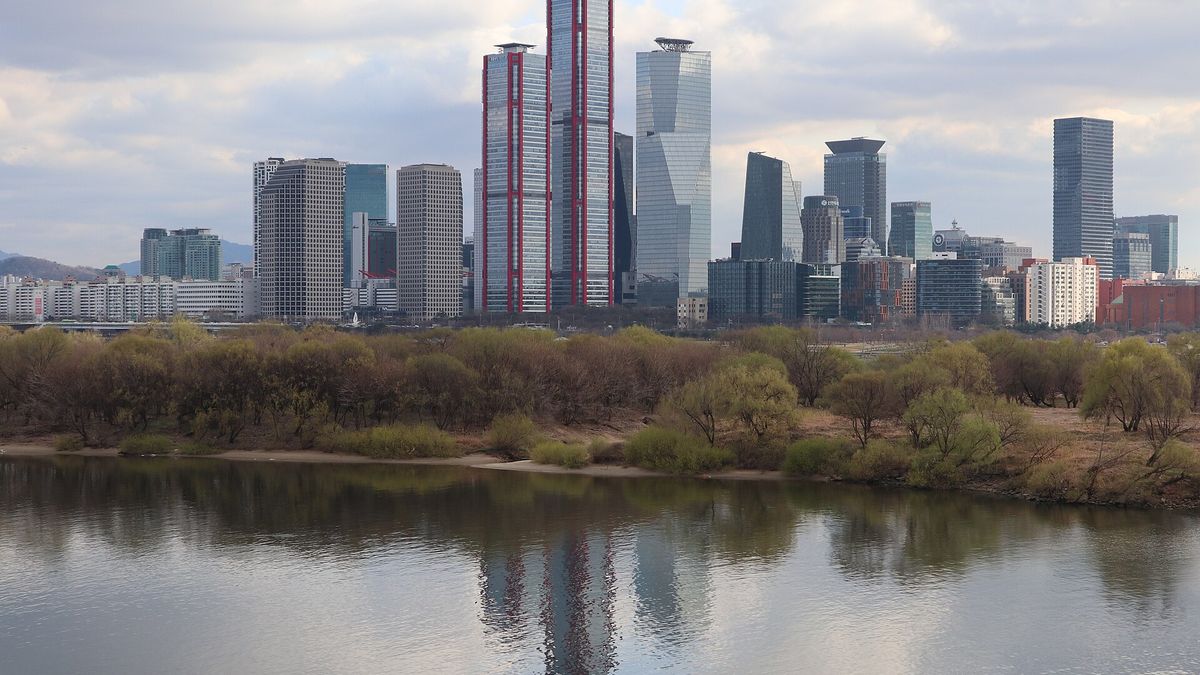
Yields fell 13 basis points in two sessions as Brent crude tumbled, while the Reserve Bank of India kept soaking up excess bank cash ahead of a 360 billion rupee bond sale.
Investors are demanding more to lock up money for decades. Here is how that extra compensation works and why it has lifted U.S. and Japanese yields.
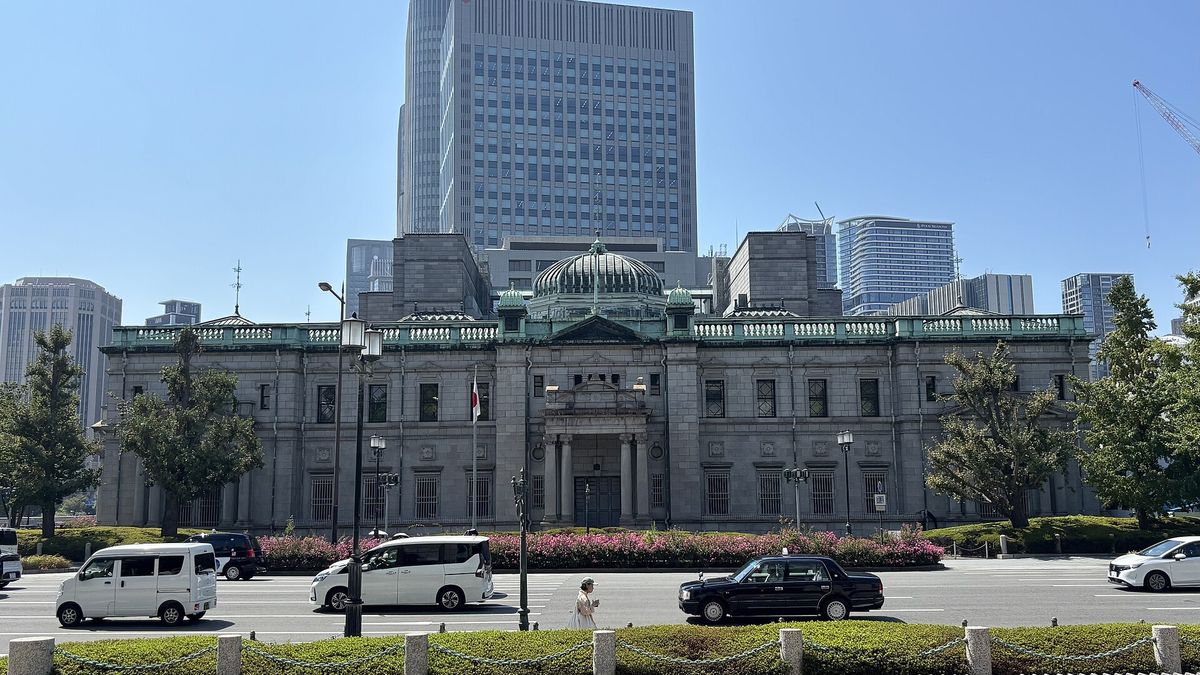
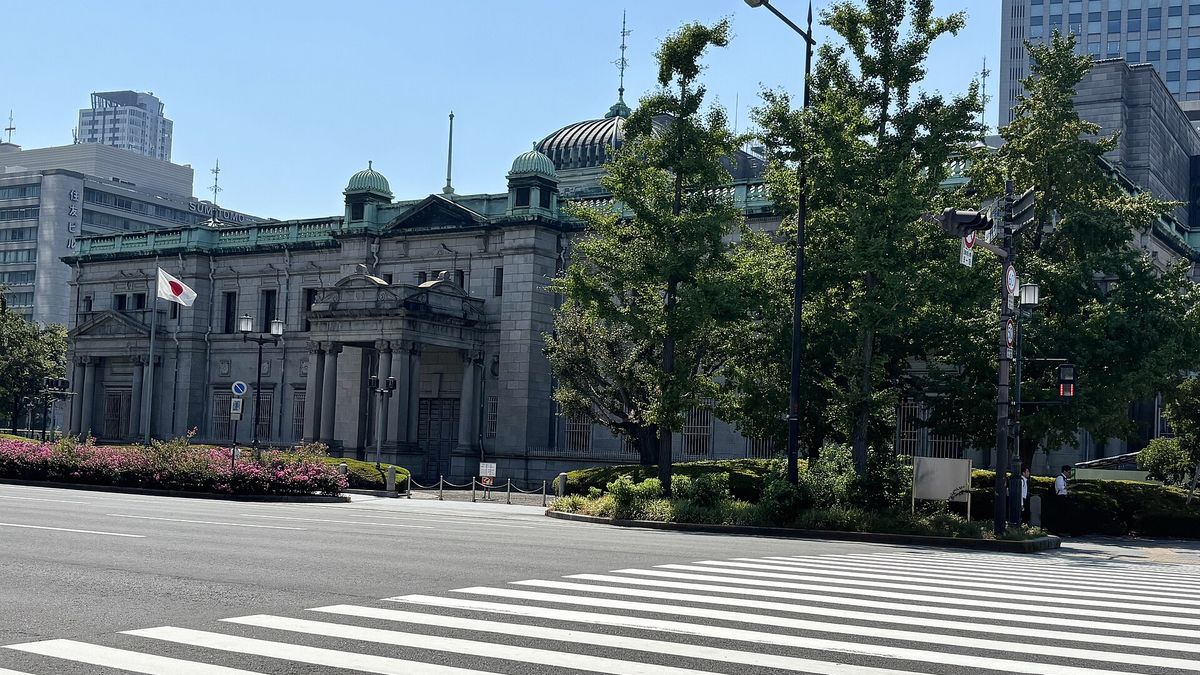
The 30-year yield set a record 4.235% early in the month, but solid Ministry of Finance auctions and a cautious central bank pulled long rates back.
The deal spans 32 projects in 15 countries, adds an unrated mezzanine slice and recycles loans from the first Bauhinia transaction.
Central bank data show the runoff is concentrated in two-, five- and 10-year bonds, while Tokyo's November calendar includes 10-, 30-, 20- and 40-year auctions.
Demand at the Ministry of Finance's monthly sale cooled from October, while minutes of the Bank of Japan's September hike showed members wary of markets running ahead on rates.
Australia, the Philippines, India and Korea have tightened this year while Malaysia and Indonesia hold. Here is where nine policy rates stand and what they mean for bonds.