Australia's Core Inflation Rises to 3.7%, Beating Forecasts and Firming RBA Hike Bets
Headline prices rose 4.3% in the year to September as fuel surged, and bond markets now put the odds of a Nov. 3 rate increase above 80%.
Headline prices rose 4.3% in the year to September as fuel surged, and bond markets now put the odds of a Nov. 3 rate increase above 80%.
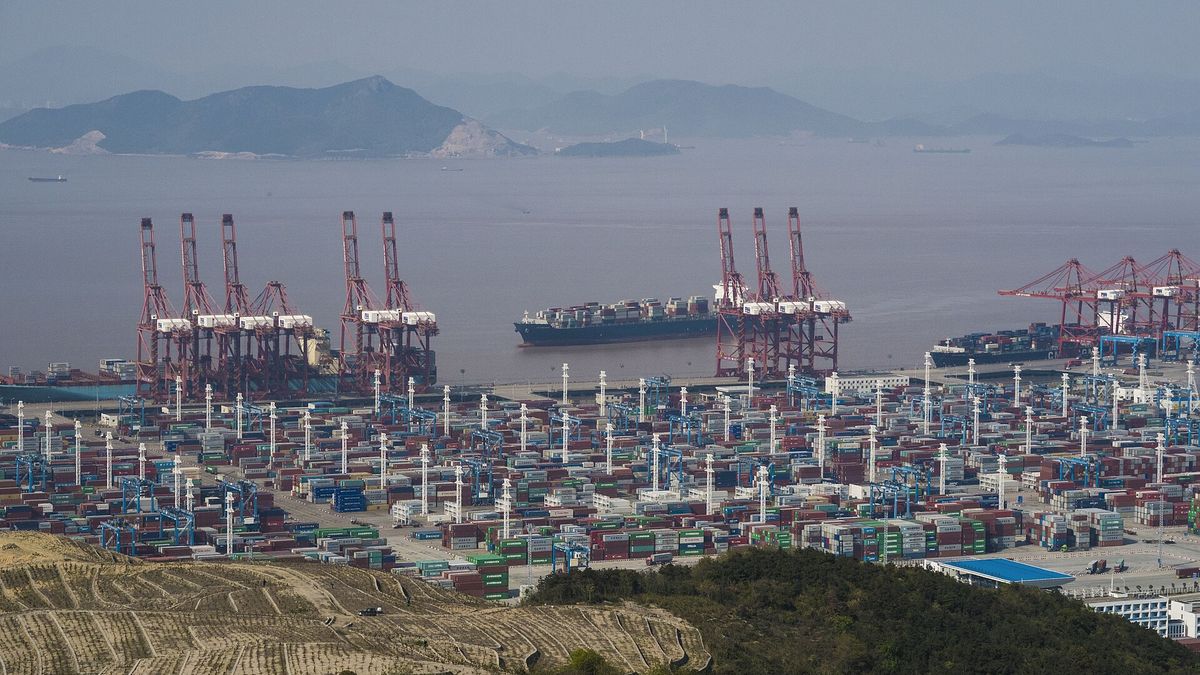
Export orders and imports both contracted as holiday demand faded, while services stalled at 50 and construction orders sank to 40.
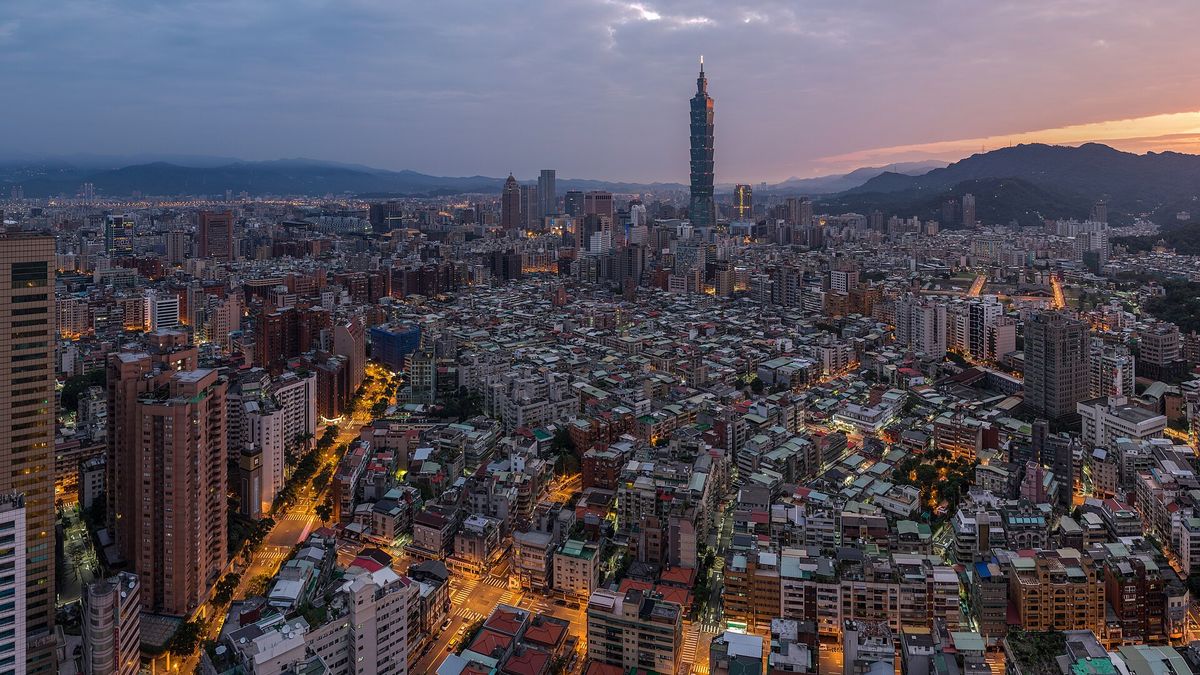
Capital formation jumped 26.36% as chip-equipment imports climbed, marking Taiwan's fourth straight quarter of double-digit growth.
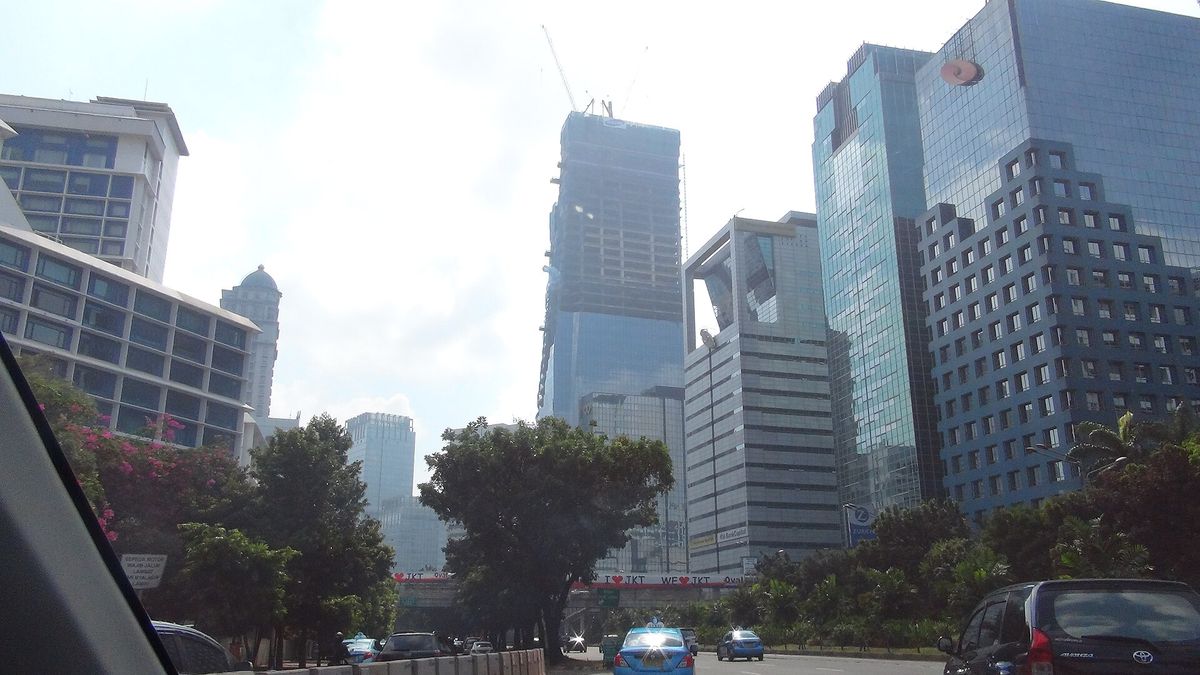
Government consumption jumped 8.95% and construction grew 6.42% as Jakarta's priority programs lifted output, while household spending held near 5%.
Final October surveys show Taiwan, Japan and South Korea cooling while Indonesia, Thailand and Malaysia speed up, and China holds at 52.
Volatile food prices rose 0.77% in the month, but core inflation of 2.56% leaves the headline rate inside Bank Indonesia's target band.
Final demand prices rose 1.1% in the September quarter even as oil eased, and the RBA cited firms' cost pressures when it lifted rates to 4.85% on Nov. 3.
All 10 ISM services indexes expanded in October for the first time since February, while purchasers cited tariffs on Southeast Asian goods and costly freight from Asia.
Cheaper cabbage and apples offset a diesel spike, but core prices held at 2.8%, and economists such as Citi's Kim Jin-wook expect a Bank of Korea hike in November.
Manufacturing and power kept factory output growing at a four-month low pace, while mining posted its third straight monthly contraction.
Consumer prices stayed above the 2% alert line for a sixth month, while factory-gate and import costs surged on oil, metals and AI hardware demand.