Bank of Thailand Holds Rate at 1%, Lifts Export Forecast to 22% on AI Demand
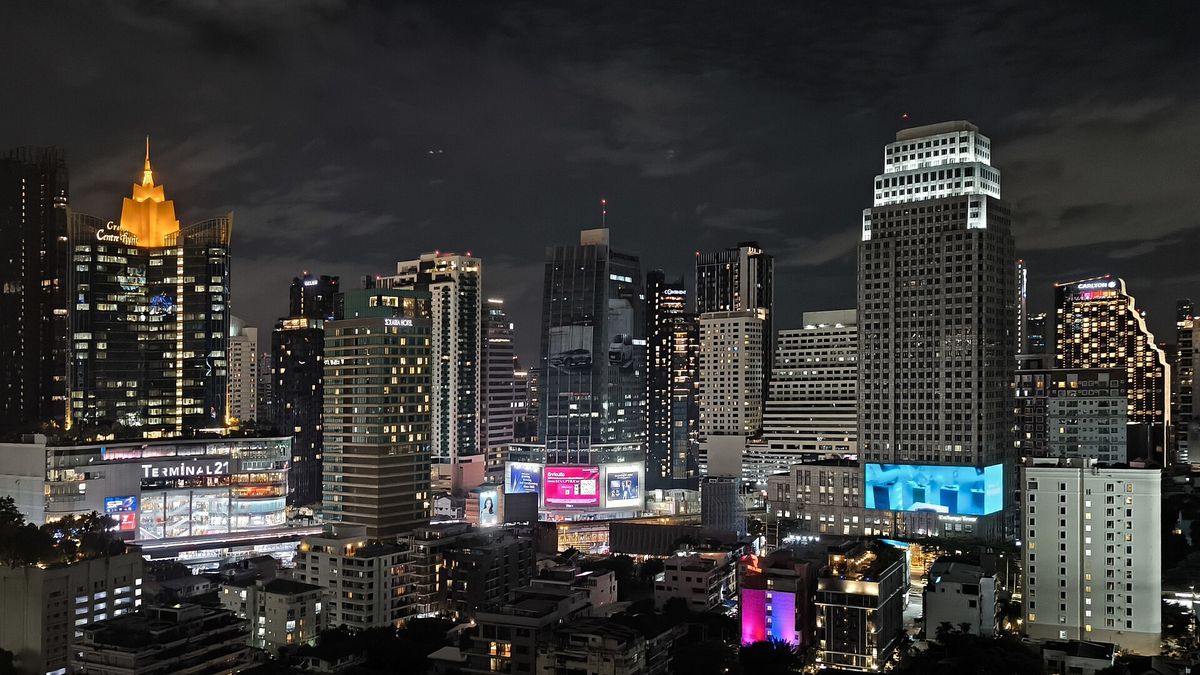
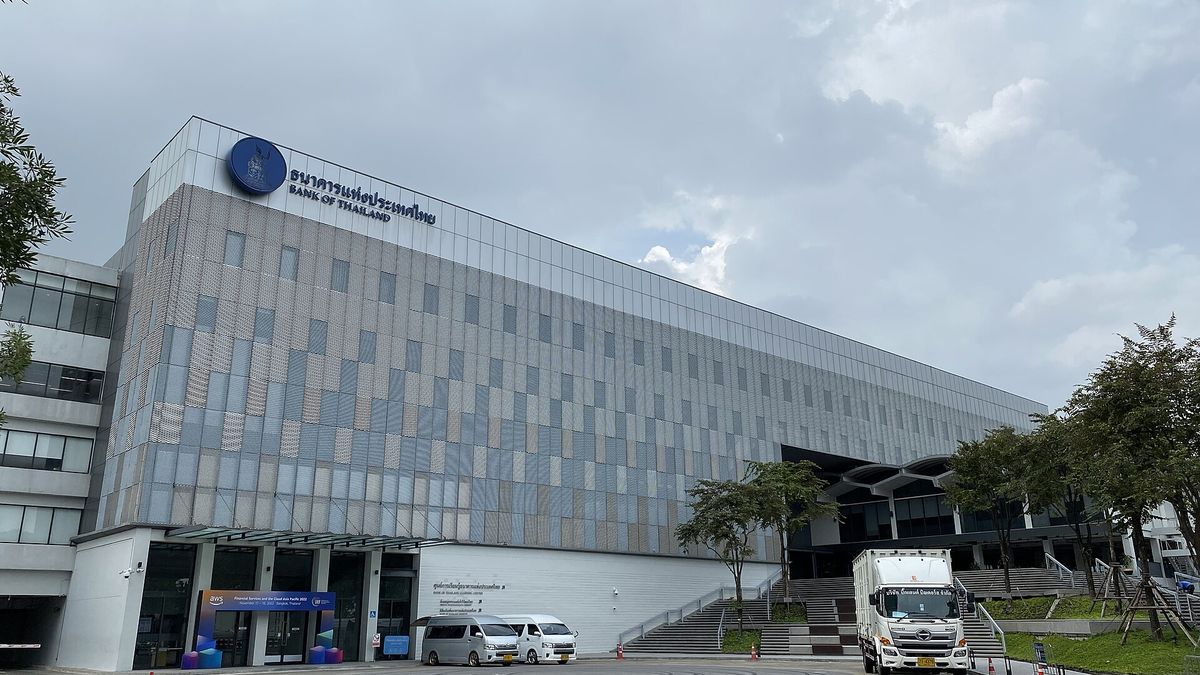
Policymakers voted unanimously to hold for a fourth meeting, lifted the export outlook from 14% in June and said rates could rise if growth is strong enough.
Policymakers voted unanimously to hold for a fourth meeting, lifted the export outlook from 14% in June and said rates could rise if growth is strong enough.
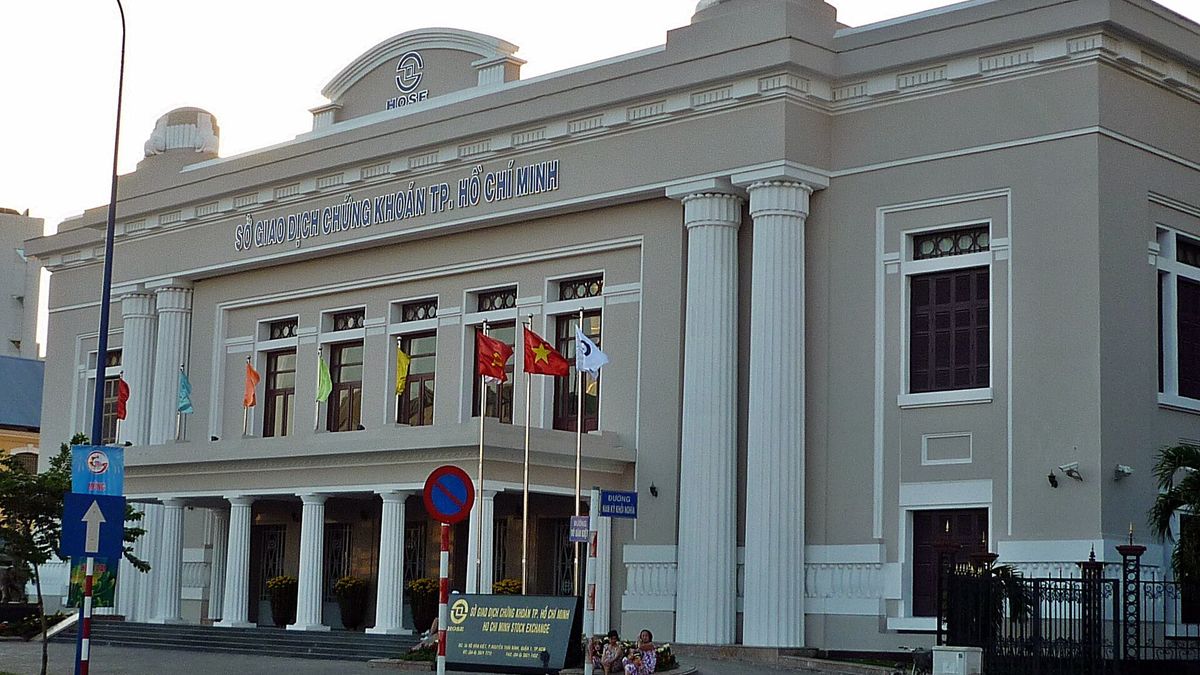
A late-month rally on Vingroup shares faded in the final week, as banks slid and overseas funds sold on each of the last two sessions.
Bank of Thailand data show electronics exports and data center imports lifting growth while foreign arrivals fell 6.3% from August and the current account slipped into deficit.
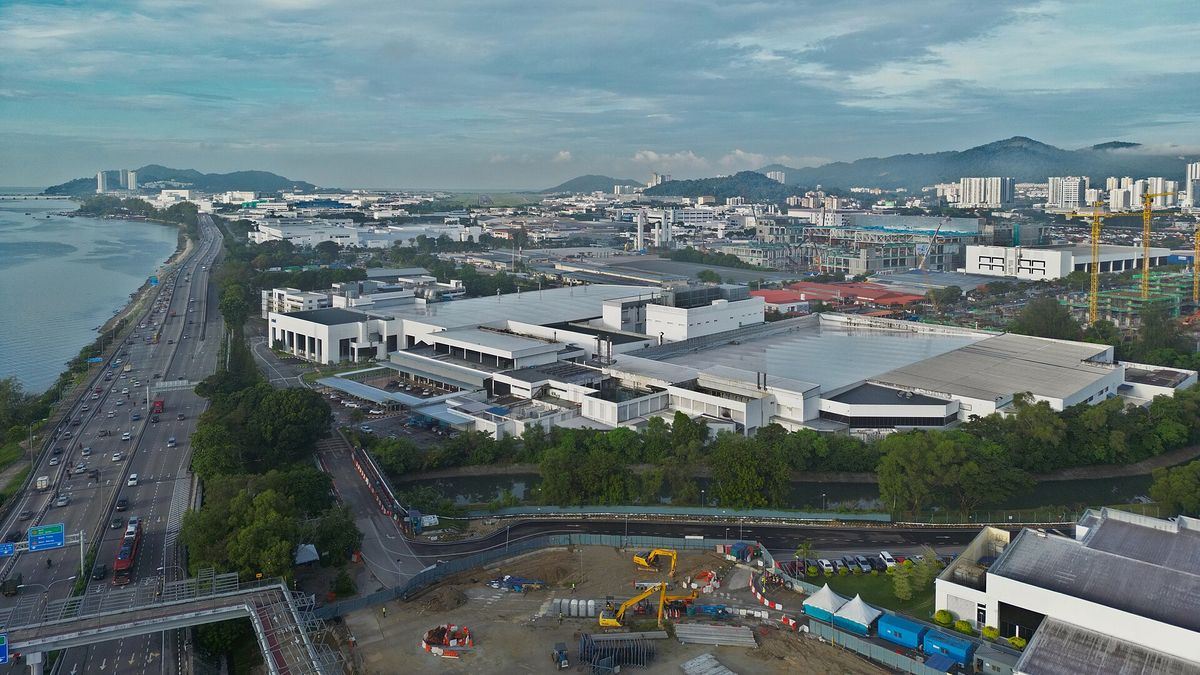
State data show Penang alone added RM55.5 billion of exports from a year earlier, as electronics shipments to the U.S. and Taiwan hit new highs.
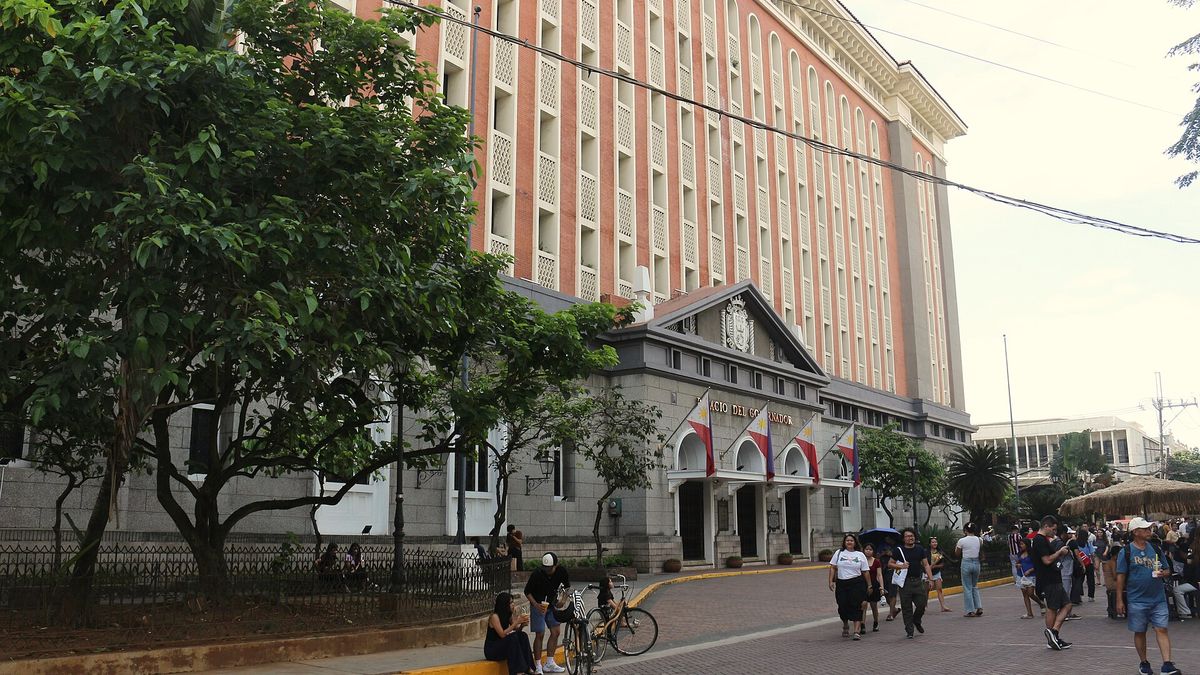
Bids covered just 0.7 times the offer, the fourth weekly bond sale in a row to end in a partial award, as the BSP says rate cuts are not yet on the table.
The U.S.-client award came as Kee Ming won a Selangor data center contract and MyDCD's IPO was oversubscribed 36 times by the Malaysian public.
Malaysia's central bank kept rates steady at its last meeting of the year and warned that inflation will edge higher in 2027, keeping talk of a future hike alive.
A weak government debt auction, MSCI fears and a rupiah near record lows push Jakarta's borrowing costs well above the 6.9% assumed in the 2026 budget.
S&P Global's survey shows Malaysian factories back in expansion as new orders pick up, though rising freight costs pushed business confidence to its lowest since April.
The agency kept a stable outlook on the strength of Thailand's reserves and external position, but forecast growth of just 2.3% this year and steady fiscal slippage.
Transport costs rose 20.1% on fuel and fare increases, and economists now expect the central bank to raise rates again in December.
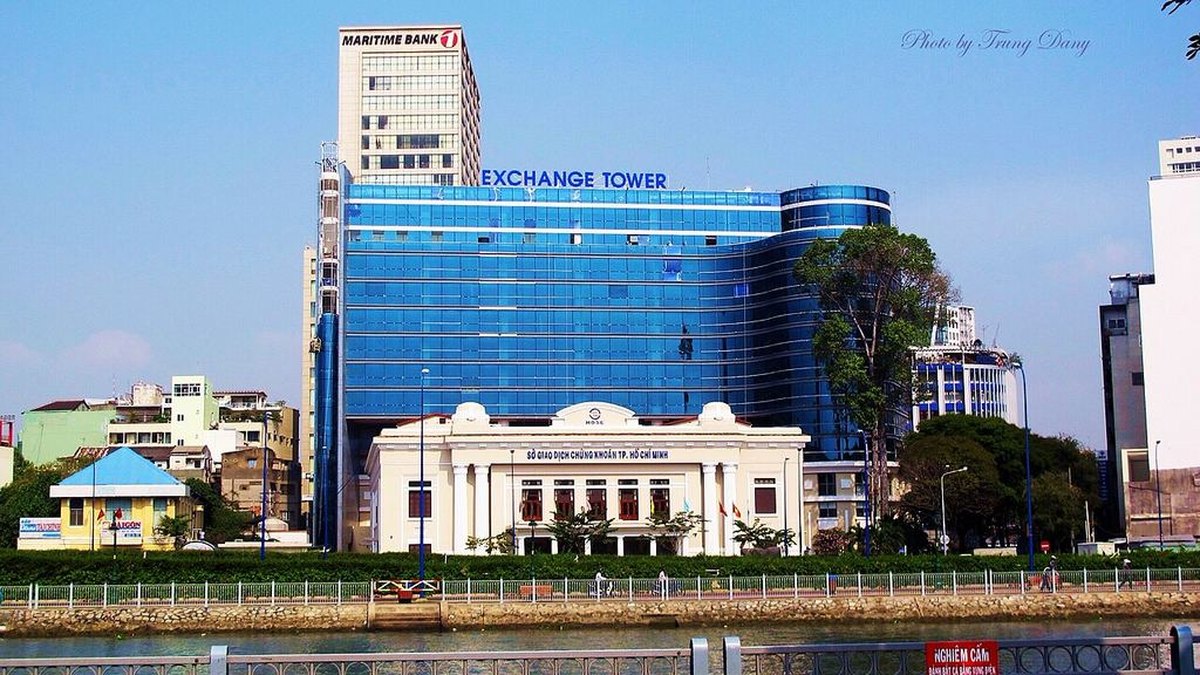
Vietnam's commercial hub took more than a third of the country's registered FDI after its merger with two neighboring provinces, led by a $4.9 billion port and a $2.1 billion AI data center.
A fifth straight quarter of slowing growth leaves the central bank weighing weak demand against 7.8% inflation before its Dec. 17 meeting.
Factories and regional trade are carrying an economy that has lost Thai visitors, Thai fuel and most of its migrant jobs across the border.
Factory output grew 9.4% and manufacturing sales hit RM191.1 billion, offsetting a deeper slide in oil and gas production, official data showed.
Hotter U.S. inflation erased most of the currency's post-Bank Negara gains in two sessions, while Maybank and Public Bank led the FBM KLCI down 0.55%.
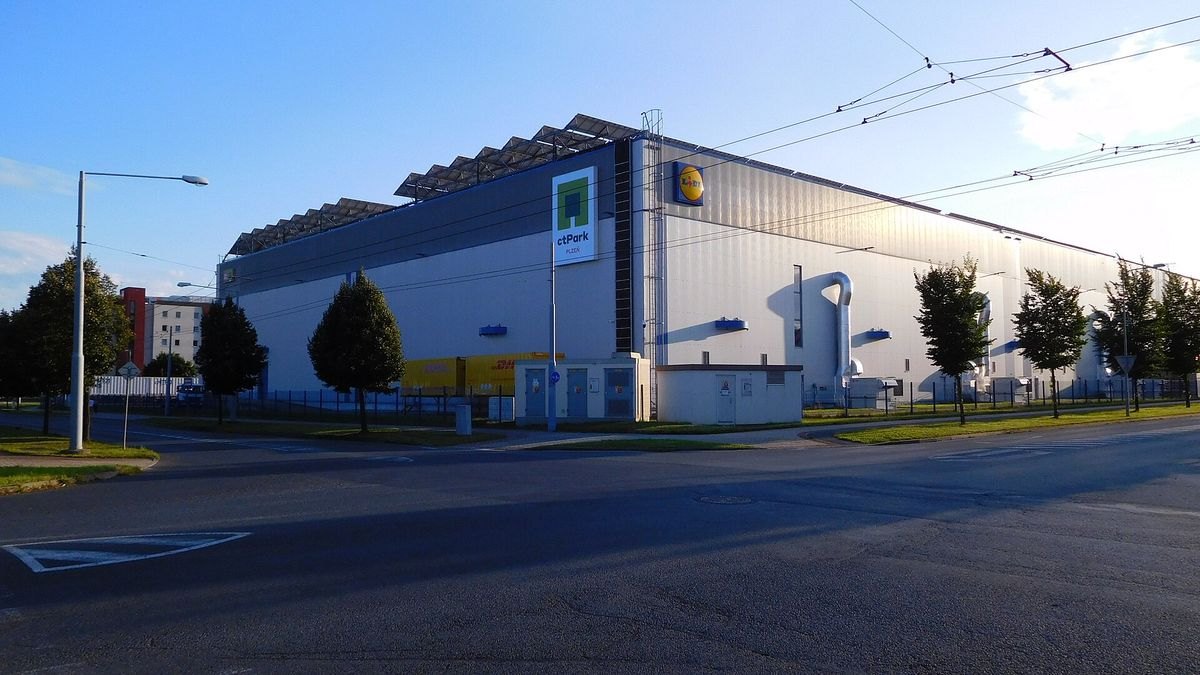
The European warehouse developer gains seven completed properties and six development sites around Hanoi, Haiphong and Ho Chi Minh City as manufacturers keep shifting supply chains to Vietnam.
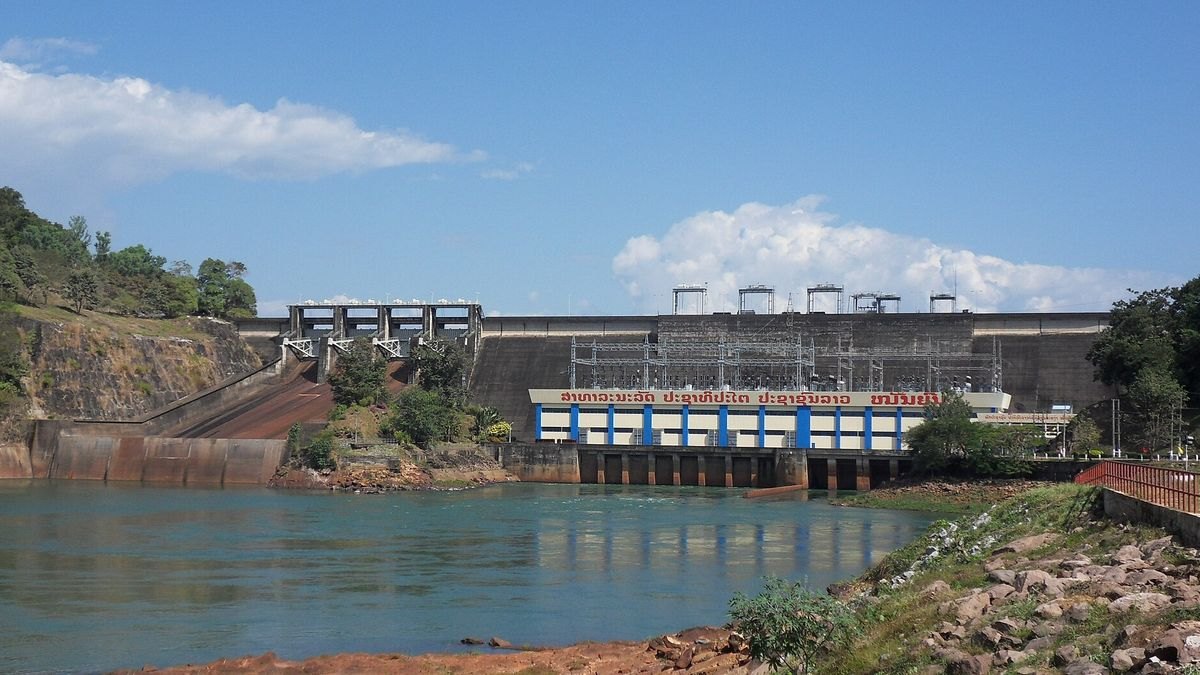
Only a third of the capacity is running so far, and officials in Vientiane say transmission lines, not generation, are the main constraint.
Finance Minister Ekniti Nitithanprapas said money spent on promoted projects grew for a third straight quarter, led by digital and electronics, before a Japan roadshow next week.
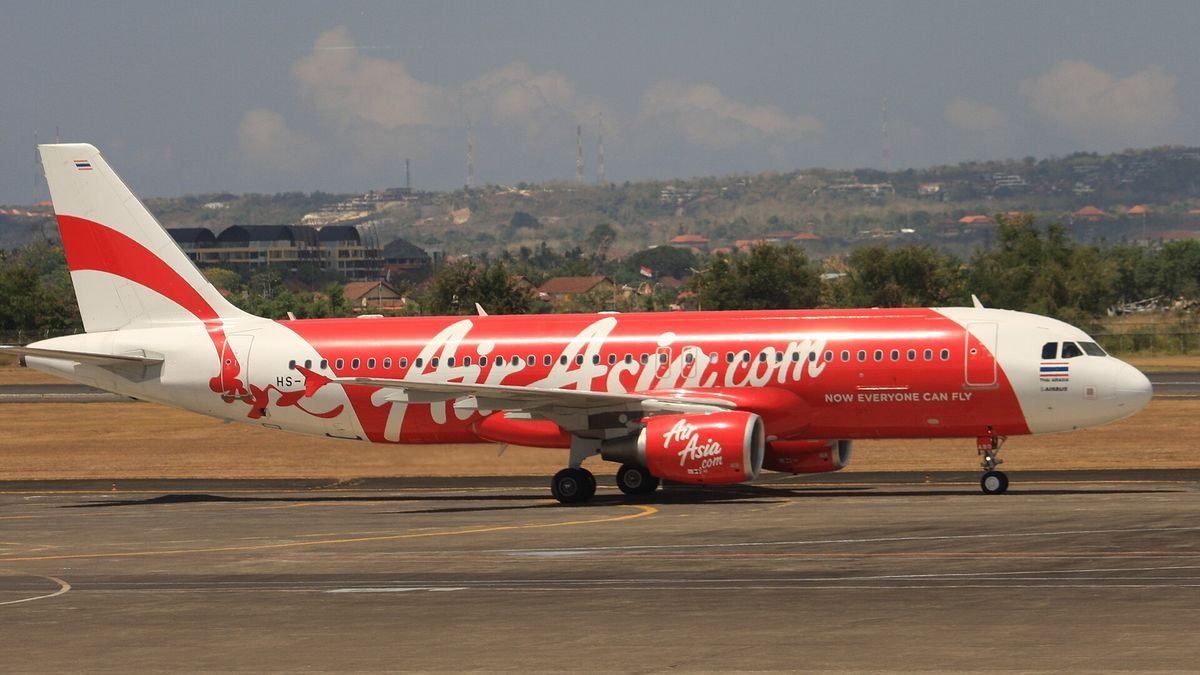
Asia Aviation cut seats by a quarter and raised fares, but fuel at $137.5 a barrel and a weaker baht pushed its third-quarter loss to nearly three times last year's.
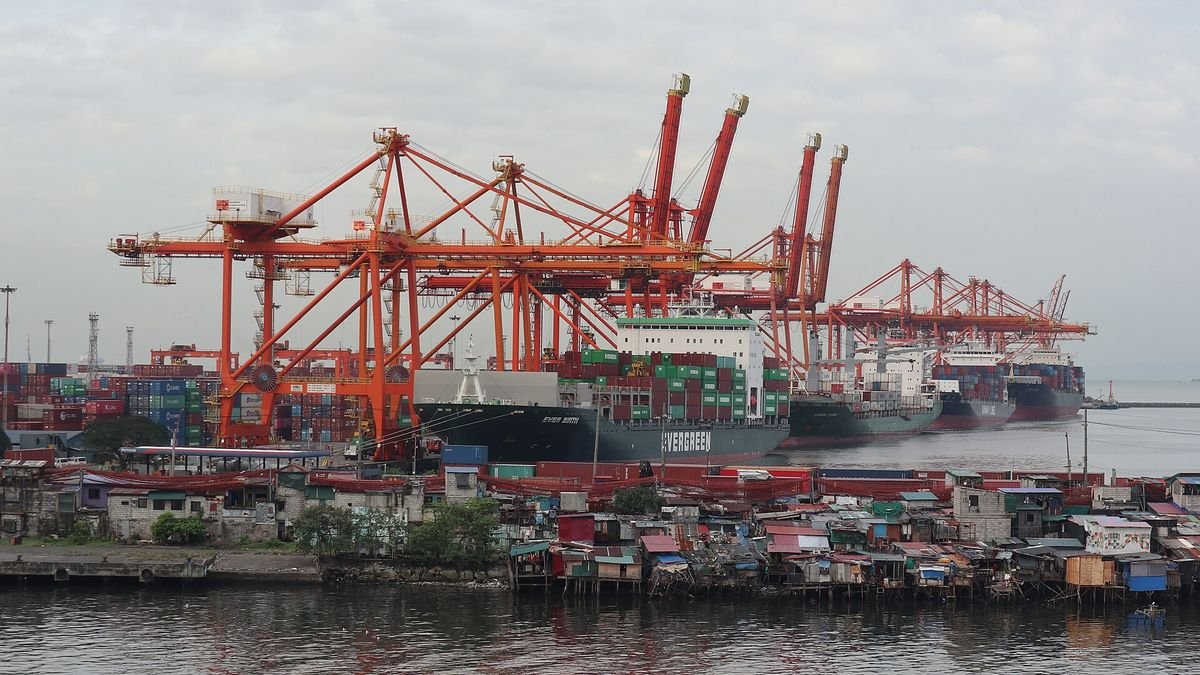
The Philippine port operator's revenue climbed 24% on new terminals in Durban and Batam, but fuel costs tied to the Middle East squeezed its EBITDA margin.
The Bangkok-listed home goods chain grew revenue 20% by opening stores, but same-store sales rose just 0.7% and its gross margin slipped more than two points.
Industrial output beat forecasts in September and Bank Negara now sees 2026 growth above 5%, putting the top of the government's 4.8% to 5.3% range in play.
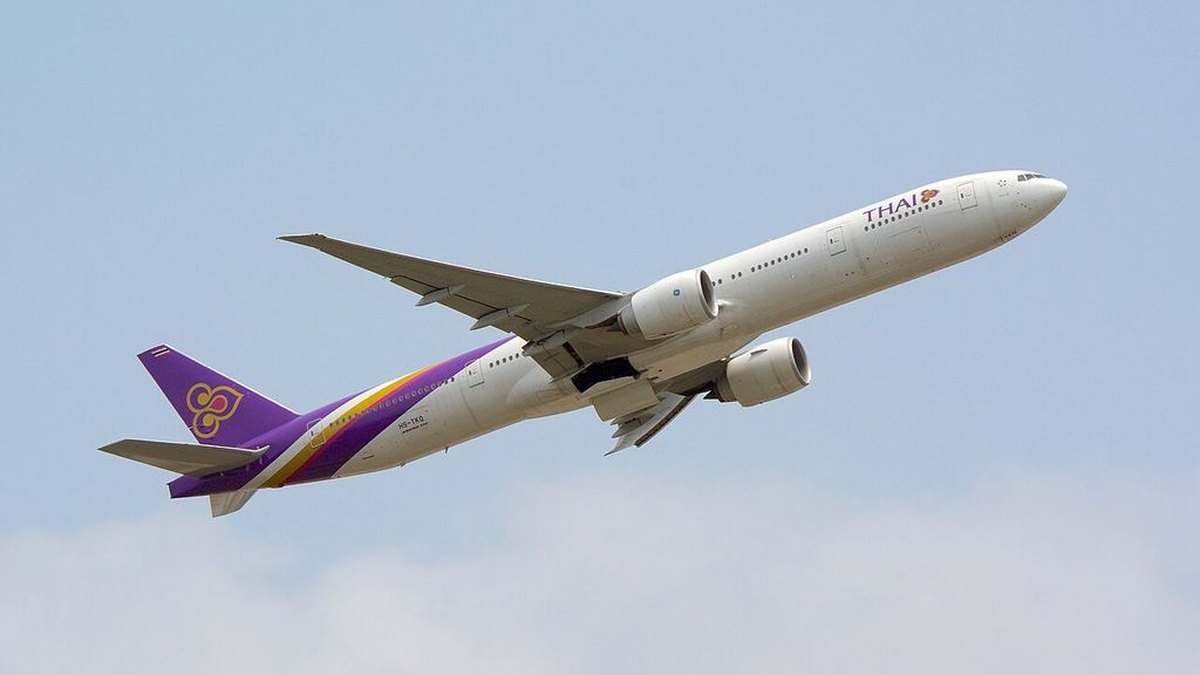
Thailand's flag carrier grew revenue 12.9% on higher fares, but fuel, flood damage and finance costs pushed it into its first quarterly loss of 2026.
The revisions take effect March 1, 2027, trim paperwork for brokers and custodian banks, and leave the choice of stock exchange model to the prime minister.
Bets on a U.S. rate increase lifted the dollar, while Meralco and PLDT fell ahead of their removal from MSCI indexes and ACEN led a broad stock sell-off in Manila.
Taiwanese projects made up nearly half of the commitments as manufacturing and power drew the most money, while officials said BOI, PEZA and BCDA approvals have reached P1.4 trillion this year.
Fuel, housing and power costs lifted consumer prices, leaving the State Bank of Vietnam with less room as the government chases 10% growth.
The prime minister told parliament the sales and service tax already raises 3.2% of GDP, as new borrowing falls but spending on cash aid and fuel subsidies keeps rising.
Hanoi has scrapped the excise tax on petrol and trimmed electricity tariffs 2% to protect demand and contain prices as it chases a double-digit growth target.
The dollar fell to 25,930 dong at Vietcombank, its lowest since April 2025, as new data showed 10-month FDI pledges at a 17-year high and inflation at 5.09%.