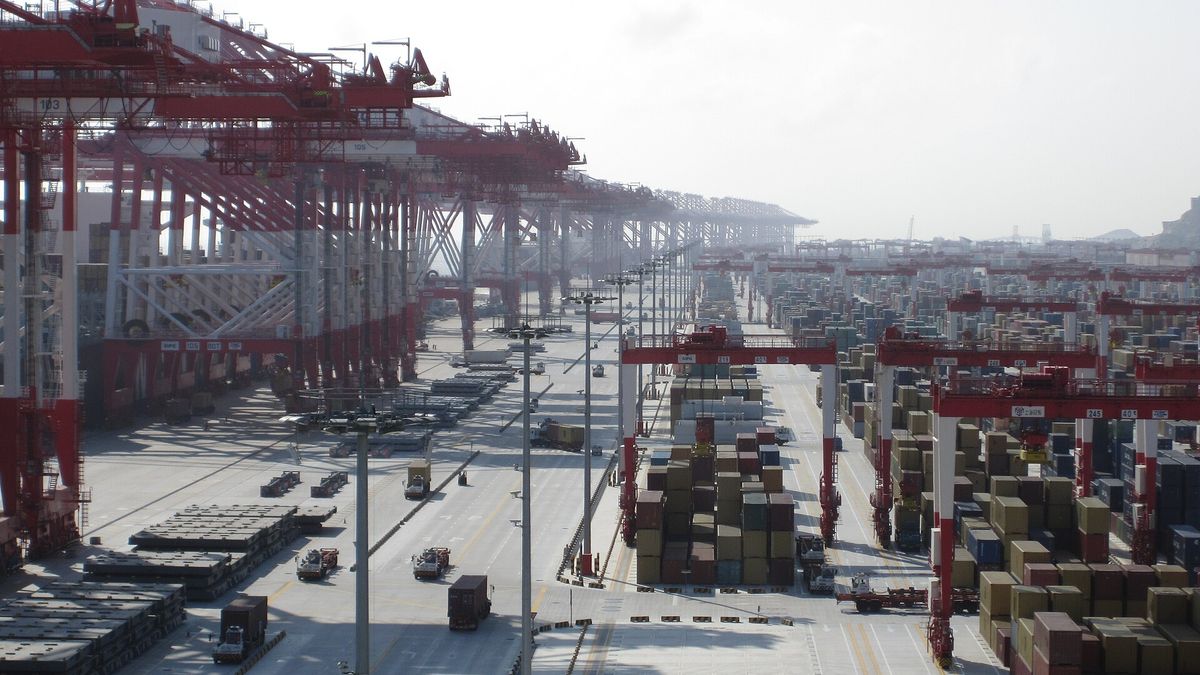
China's Exports Jump 36% in September as AI Demand Pushes Surplus to 2026 High
Shipments beat forecasts by more than 10 percentage points, and the annual surplus is on pace to top $1 trillion again.
Shipments beat forecasts by more than 10 percentage points, and the annual surplus is on pace to top $1 trillion again.
Three chip bills headed for the annual defense bill, including one requiring location tracking, gained momentum after the allegations. Nvidia's China business was already small, and Beijing calls the spy claims a smear.
A national security finding keeps duties on the table for Asian robot and machine-tool exporters, but the White House chose negotiations first.
Washington's intellectual property investigation could add duties on top of a 12.5% tariff, with manufacturers and rights holders split on what comes next.
Electronics shipments to the U.S. powered a 27th straight month of export growth, while imports led by computers and fuel jumped 50.4% to a record.
Exports rose 11.9% to $27.59 billion, but import growth is outpacing shipments and the nine-month surplus has fallen to less than a third of last year's level.
Jakarta wants the deal in place before its EU tariff preferences lapse on Jan. 1, after missing an earlier October target for signing.
The deal struck in Busan in 2025 paused a tariff war, eased rare earth controls and restarted farm purchases. Here is how it works and where it is fragile.
Exports are running at almost twice Hanoi's growth target, and a second straight monthly surplus has cut the year's deficit to about $12.7 billion.
Revised customs data show Japan's chip shipments to ASEAN up 125%, car exports to the U.S. up 31% and car sales to China down 60%.
Europe got the most magnets since February under a fast-track licence deal, while Japan and the U.S. still lag on Beijing's most tightly controlled materials.
Beijing says extra buying depends on a reciprocal tariff deal still not finalized, while a one-year suspension of its rare earth export controls is set to lapse on Nov. 10.